
The Nature of Luck in Gambling
The concept of luck is often romanticized, particularly in the gambling world. Many players enter casinos with the belief that luck, perhaps bolstered by a bit of divine intervention, can sway the odds in their favor. This belief varies among players; some are staunch believers in luck as a powerful force, while others lean towards a more mathematical approach to gaming outcomes. In essence, luck can be described as the unpredictable force that seems to sway outcomes toward or away from favorable results, often shaping the overall gambling experience, especially when engaging with casino sites fast withdrawal options that enhance the thrill.
Understanding luck in gambling requires an exploration of randomness and probability. While all casino games are designed with built-in odds, luck may feel like a tangible factor when betting. For instance, a player might experience a winning streak that seems almost magical, reinforcing their perception that luck plays a significant role. Conversely, consistent losses can lead to the feeling that luck has abandoned them. This emotional rollercoaster showcases how luck influences player psychology, affecting decisions and strategies in both casual and serious gambling scenarios.
However, it’s critical to distinguish between luck and skill. Many games, such as poker, incorporate elements of strategy and decision-making that can mitigate the randomness of luck. In contrast, games like slots operate entirely on chance. Thus, while luck does affect outcomes, especially in short-term scenarios, skillful play can lead to more favorable odds in games where strategy is essential. Understanding this balance is fundamental for anyone looking to refine their approach to gambling and maximize their enjoyment.
The Role of Randomness in Casino Games
At the heart of every casino game is the principle of randomness. Whether rolling dice, spinning a roulette wheel, or drawing cards, each outcome is independent of the previous one. This independence means that, statistically, each event is driven by chance, introducing the element of luck. Statistical randomness ensures that no player can predict future outcomes based on past results, which can be both thrilling and frustrating for players seeking patterns in their experiences.
Casino operators utilize sophisticated random number generators (RNGs) to guarantee this element of unpredictability in electronic games. RNGs ensure that every spin of a slot machine or shuffle of a card deck is genuinely random, reinforcing the idea that luck is a significant factor in outcomes. Players often attribute their winnings or losses to luck in these cases, reinforcing the notion that some players are just “luckier” than others, despite the underlying mathematics at play. This perception can create a sense of mystique around the gaming environment, adding to the allure of casinos.
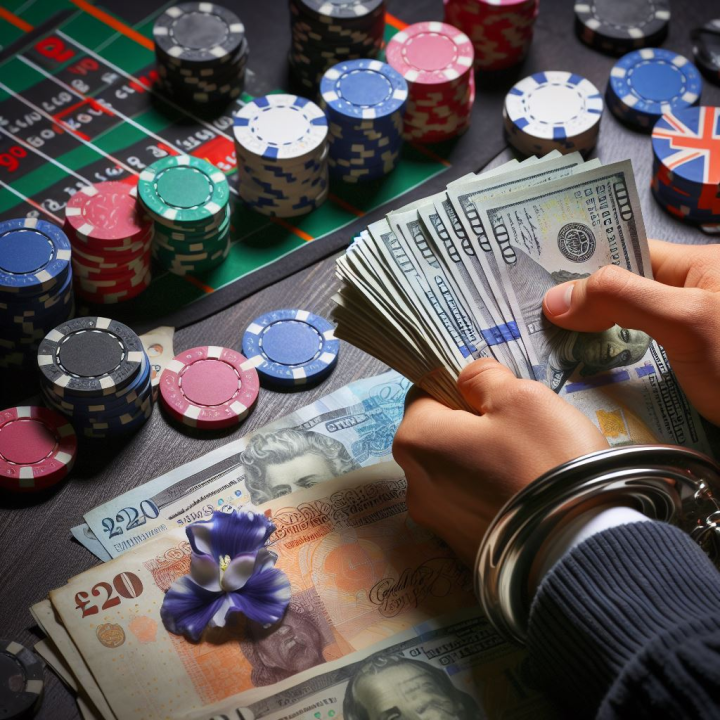
This randomness can create situations where players feel that luck is inconsistent. For example, a player might win big one evening and return the next day, only to lose continuously. This cyclical nature of luck can lead to the idea that it can suddenly change, affecting player behavior and their perception of the game’s fairness. While games are indeed random, the human tendency to recognize patterns can lead to the illusion that luck has a more significant influence than it statistically does, ultimately shaping how players engage with the games.
The Psychology of Luck and Superstitions
Beliefs about luck are deeply rooted in human psychology and can play a vital role in a gambler’s experience. Many players may engage in rituals or adopt specific behaviors, convinced that these actions influence their luck. For example, some individuals may wear lucky clothing, carry talismans, or follow certain routines before placing bets. This phenomenon is often referred to as “lucky charm syndrome,” where an individual believes that their actions can significantly change their fate, intertwining psychology with the thrill of gambling.
Superstitions in gambling can manifest in various forms, from avoiding the number 13 to believing that a specific seat at a table brings better luck. Such practices stem from a need for control over uncertain outcomes. By believing in luck and engaging in superstitious behaviors, players can reduce anxiety and amplify enjoyment during their gaming experiences. Research shows that this mindset can enhance the overall entertainment value of gambling, even if it does not improve statistical outcomes. This psychological comfort can create a more enjoyable atmosphere for many players.
However, reliance on luck and superstitions can lead to problematic gambling behaviors. When a player attributes their losses to lack of luck or failure to engage in their lucky rituals, it can foster a cycle of blame and perpetuate continued play in hopes of a turnaround. Recognizing the psychological components of luck can help players maintain a healthy perspective on gambling, balancing enjoyment with awareness of the risks involved. By understanding the emotional and psychological aspects, players can approach their gaming experience with a clearer mindset.
Strategies to Mitigate Luck’s Impact
While luck plays an undeniable role in casino gaming, there are strategies players can employ to mitigate its effects. For example, familiarizing oneself with the odds and rules of a game can lead to more informed betting decisions. Understanding how games like blackjack or baccarat offer strategic advantages can help players use their knowledge to enhance their chances of winning, shifting the balance from pure luck to skillful decision-making. This informed approach can create a more rewarding gaming experience.
Bankroll management is another crucial strategy that can lessen the impact of luck on overall outcomes. Setting limits and sticking to them ensures that players can enjoy the casino experience without risking financial ruin. By managing how much to wager, players can engage with luck on their terms without falling victim to the whims of chance. This approach not only enhances the enjoyment of gambling but also promotes responsible play, allowing players to maintain control over their finances and gaming habits.
Moreover, choosing games with better return-to-player (RTP) percentages can yield a more favorable experience. Games with higher RTPs statistically offer better chances to players, reducing the reliance on luck alone. By selecting games that are not only entertaining but also strategically sound, players can navigate their casino experience more effectively, fostering a healthier relationship with the unpredictable nature of luck. This strategic selection can significantly influence overall success and enjoyment.
Understanding Casino Gambling Through Our Platform
Our platform offers valuable insights and resources for players looking to enhance their understanding of luck and strategy in casino gambling. By providing detailed analyses of various games, strategies, and player stories, we aim to equip both novice and seasoned players with the knowledge they need. Understanding the interplay of luck and skill can significantly enhance the gaming experience, making it more enjoyable and possibly more profitable over time.
We also aim to demystify superstitions and the psychology behind gambling behaviors. By offering educational resources, we hope to foster a community of informed players who enjoy casino games in a responsible manner. Our goal is to empower players with the information they need to recognize the role of luck while also appreciating the strategic aspects of games. This balanced perspective can enhance their overall gaming experience.
Ultimately, understanding the complexity of luck in casino outcomes is crucial for anyone who participates in this exhilarating world. With our resources, players can navigate their experiences in casinos with a balanced perspective, embracing the thrill of unpredictability while maintaining control over their gaming journey. Engage with us today to deepen your understanding and enhance your casino gaming experience, ensuring that you approach gambling with both excitement and awareness.